Instincts and Centers
Human instincts: self-preservation, social and mating (tet-a-tet).
Even in early childhood, 3 instincts that help us survive begin to emerge and one of them becomes dominant. All 3 instincts are present in each of us, regardless of type. According to new research and prof. Narancho’s insight, the 9 Enneagram types are further divided by instinct and then there are 27 subtypes in total.
Instincts show very clearly what area of life is relevant to him and how it manifests in life: values, behavior, thoughts, feelings and what controls our attention.
In practice, it is usually observed that usually one of the instincts is asleep, so a person cannot achieve the desired goal or does not consciously recognize it. The manifestation of instincts plays a very strong role in personal relationships and communication, because representatives of different instincts focus more on different accents.
People who have a dominant self-preservation instinct focus on physical safety and comfort.
Representatives of the social instinct desire to be accepted, recognized and appreciated by others.
Representatives of the paired instinct are looking for intense contact, new acquaintances and opportunities to gain new experiences.
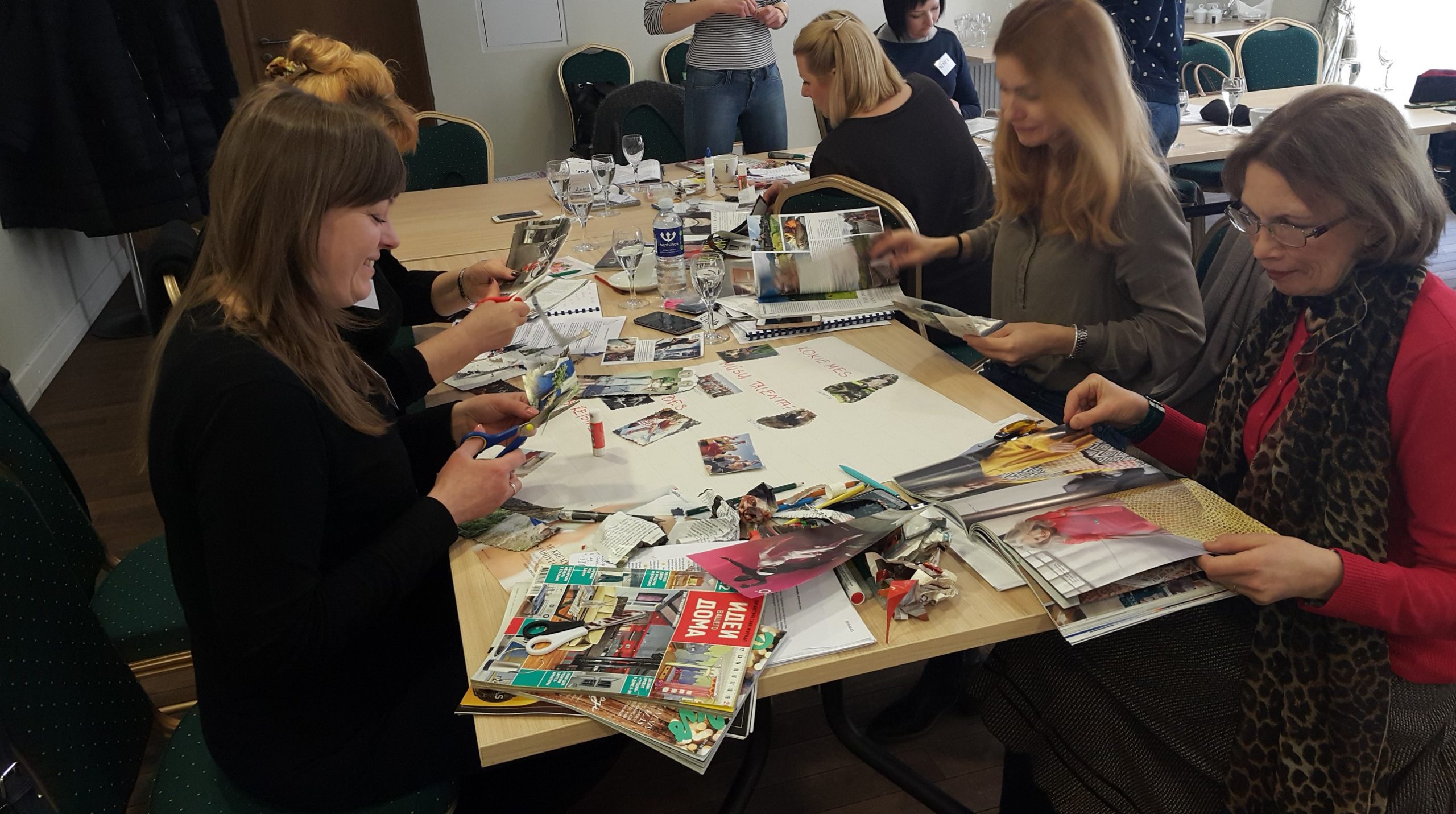
It is very important that each workshop participant recognizes their basic instinct and knows how to communicate with people who have other instincts. People whose basic instincts match usually find a common language more easily. The purpose of this workshop is to clearly recognize and activate other instincts.
Enneagram triads (centers of a person): body, heart and head.
A person uses all 3 triads in his life, but one of the centers is more developed. The triads refer to the 3 places where our problems and protective ego mechanisms accumulate, reducing our awareness.
What each type pays attention to, what specific skills they use and what should be improved depends on the dominant center.
Body center types (8, 9 and 1) are ruled by instincts and have a special ability to feel the body’s impulses and act spontaneously, when this center is damaged they face anger, aggression and self-control problems.
Representatives of the heart center (2, 3 and 4) are controlled by emotional intelligence and have a special ability to focus on other people, establish close contact with them, and form their identity through relationships with others. When this center is damaged, issues related to shame, contradiction, comparison, image, positive feedback can be triggered.
Representatives of the head center (5, 6 and 7) are ruled by the intellectual center and have a special ability to think, plan, analyze and present ideas. When this center is damaged, problems related to fear, avoidance, planning, internal dialogue, support, and a sense of security are triggered.